

Benefits of a Fridge With an Ice Maker
Many refrigerators include an ice maker that is or is built into the door, or inside the freezer. This makes it simple to drink cool, refreshing water. These fridges are typically more expensive than others however they will save you the headache of filling and cleaning the ice tray.
The circuit in the icemaker sends current to an ice valve. The water then flows through the ice mold and is then frozen to form cubes.
Convenience
It is obvious that having an icemaker in your fridge can save you time. Instead of having to fill trays manually, the ice maker can do this for you. It is usually activated by a sensor that detects the level of water in the freezer. Once it reaches the proper temperature, the process of making ice begins. A valve opens and a cooling device allows water to flow into the ice molds. A built-in thermometer measures the ice to ensure that it is completely frozen and when it is, the valve shuts off and the ice is moved from the molds to the storage bin.
It is also useful for entertaining guests. It means that you will always have plenty of ice, and you can avoid the awkward moment when guests request more, only to discover that you are out. There are refrigerators equipped with an ice maker. These come with a dispenser in the door, making it easy to serve water and access it without having to open the refrigerator.
Refrigerators equipped with ice makers are also more energy-efficient than conventional models. The ice-making system requires very little electricity to operate, and because they are generally utilized for extended periods of time, this could result in a significant decrease in your energy bills.
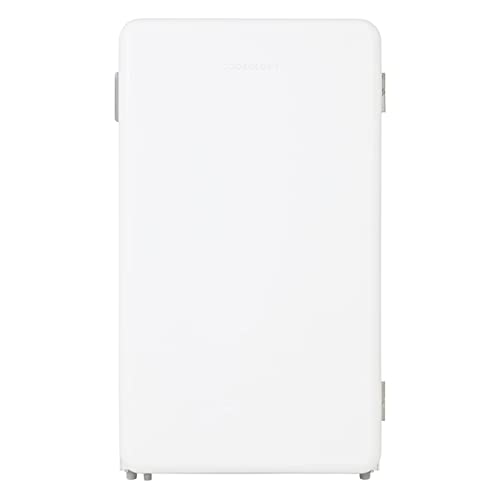
If you're looking to save more money, you can opt for an option without cooling tower. These "direct cool" refrigerators include an ice maker. They make use of the same refrigerant to make ice that they do to cool your fridge. These units are more efficient than conventional ice makers, and can cut your energy usage by as much as 25 percent. This could help you save money on energy bills and reduce your carbon footprint while at the same time.
Efficiency
With an ice maker, you will save time by not having to fill and freeze ice cubes. These devices also provide an ongoing supply of fresh ice that can be poured into your cup or dispense out of the refrigerator. These devices are more convenient than refrigerators that require you to go to the freezer to retrieve bags of frozen ice.
Most refrigerators with ice makers are combo models that feature an ice maker inside the freezer section along with a traditional refrigerator compartment. There are also separate fridges and freezers that have an Ice maker built into the door or at the back of the freezer.
The ice maker in your refrigerator is typically powered by the main water supply to your home. To start the cycle, a timed switch in the circuit briefly sends current through electrical wires to a water valve. The valve is then opened and water can flow into the molds. The built-in thermometer signals the timed-switch when the ice-making is complete. This signifies that the ice has been sufficiently cooled to stop water from flowing into the molds. A motor spins a shaft that has arms that transport the ice into the bin that holds the ice.
Some Ice machines let you pick between two kinds of ice, traditional ice cubes and crushed ice. This is the most suitable option in hot weather when you're looking to cut down on the time it takes to cool your drink.
Your freezer may have been set to low when your ice maker ceases to produce ice, or the resulting ice looks small and distorted. Check your owner's manual to find the manufacturer-recommended temperature and try setting it higher.
cheap fridges uk fill tubes could be blocked if the ice maker is not producing ice, or is producing very little. The ice-making machine draws its water from the household's main water supply line, therefore the tubes must be clear of obstructions to work properly. The tubes can get blocked in time due to mineral deposits, depending on the water quality in your home. They can be eliminated using a pipe cleaner or running the water line in your refrigerator through filters.
Water Dispenser
The water dispensers on refrigerators with icemakers allows you to drink chilled drinking water that is filtered and filtered without having to open the refrigerator's door. Some models also let you add carbon dioxide to create sparkling water, or pour hot water to make instant coffee, tea and more. These models are usually more expensive than refrigerators without icemakers and require a separate connection for the water that melts into the ice.
Refrigerators first introduced ice and water dispensers in the 1980s. They had simple automatic ice makers that could produce one block of ice per day. Today, about half of refrigerators have a built-in ice maker and water dispenser.
The dispenser works by pulling cold water from the refrigerator's plumbing system and then transferring it to a small filter that screens out particles and a few basic contaminants. The water is then pumped into an ice mould, where it is transformed from a liquid to the form of a solid block of ice. The ice is stored in a collection bin until it's ready to released.
When you're ready to drink water, a switch that is timed in the circuit of your refrigerator sends a short current through two wires that are connected to the dispenser. The current triggers a solenoid that opens the water valve for seven seconds, letting in just enough water to fill an ice mold. The ice mold is usually made of plastic and has a series of connected cavities. When the ice is formed and the valve is shut, it will close, allowing the ice cubes to drop out of the mold into the bin where they wait to be dispensed.
The majority of issues with fridge ice or water dispensers can be resolved with a bit of troubleshooting. For more in-depth information, visit our Fridge Dispenser Troubleshooting article to discover the most frequently occurring problems and the best way to solve them.
Use traditional Ice cube tray that you can fill in the kitchen sink as an alternative to refrigerator water dispensers and ice dispensers. These trays can hold up to 25 cups of ice and offer greater flexibility in deciding how much ice you want at any given time.
Cost
The convenience of a refrigerator equipped with an ice maker comes at an expense. Refrigerators with ice makers generally cost more than those without them because they must be installed professionally and connected to a water line, and may require additional repairs or maintenance. Additionally, refrigerators with ice makers consume more energy.
The majority of fridges and freezers equipped with an ice maker can be used to create normal ice and crushed ice. There is also a variety of shapes and sizes to choose from so you can design your ice according to your preferences.
People often get used to a certain type of ice and are disappointed when they cannot find it in the supermarket or in a restaurant. If you have an icemaker in your refrigerator, you can avoid the problem by setting it up to automatically produce your favorite type of ice.
It can be frustrating to run low on the ice when you are an avid drinker or host large parties. If you're sitting on your own after a workout, chatting with your spouse after a long day, or entertaining your family and friends at your home, you deserve to enjoy any time you'd like.
It's wonderful knowing that you'll always have ice on hand for any occasion. If something goes wrong with the appliance, you'll most likely need to hire an appliance repair pro to fix it.
The price of a refrigerator repair or standalone repair to an ice machine varies based on the issue and model of appliance, but here are some of the most common problems:
If your refrigerator's ice maker doesn't seem to be functioning it could be due to a blocked tube or defective valve. These components are electrically powered which can become damaged over time, and hiring a professional to repair them will cost you between $150 and $200.